
Family History Search: A Rewarding Journey

Searching for family history is a rewarding but sometimes challenging endeavor.
Here are some techniques that will help you get started and will make a progress in your genealogical research.
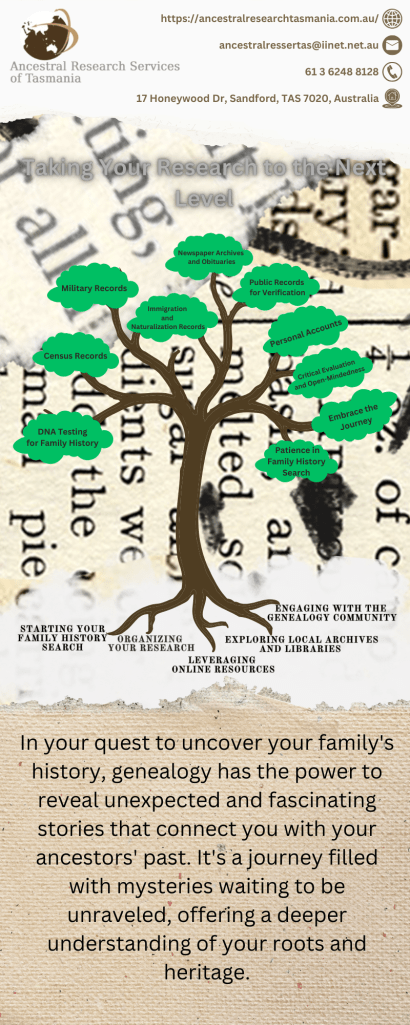
1. Starting Your Family History Search
Begin your family history search with the information you already have.
- Gather Family Details: Start with what you know, such as names, birth dates, marriage dates, and locations of your immediate family members.
2. Organizing Your Research
Effective organization is essential in your family history search.
- Detailed Record-keeping: Keep detailed records of your findings, including dates, sources, and any relevant notes. Organizing your research from the beginning will save you time and confusion later.
3. Leveraging Online Resources
Online resources play a crucial role in your family history search.
- Genealogy Databases: Utilize online genealogy databases and websites like Ancestry.com, and MyHeritage.com to access a vast collection of records.
4. Exploring Local Archives and Libraries
Local archives and libraries are treasure troves of information for your family history search.
- In-Person Research: Visit local archives, libraries, and historical societies to access records, newspapers, and resources that may not be available online.
5. Engaging with the Genealogy Community
Networking and sharing knowledge is an integral part of your family history search.
- Social Media and Forums: Utilize social media and join genealogy specialist, forums, and groups related to your family’s place of origin or surname to gather insights and tips.
Advanced Techniques and Considerations
1. DNA Testing for Family History
- Consider DNA testing (e.g., AncestryDNA) to connect with distant relatives and confirm ancestral roots.
2. Census Records
- Use census records to trace your ancestors through various years, tracking family changes and locations.
3. Military Records
- For military ancestors, find valuable information about their service and family connections.
4. Immigration and Naturalization Records
- Explore records to discover your family’s arrival details in a new country.
5. Newspaper Archives and Obituaries
Newspaper archives and obituaries are rich sources of information in your family history search.
- Births, Marriages, Deaths: Old newspapers and obituaries often contain information about births, marriages, deaths, and local events that can aid your research.
6. Public Records for Verification
Public records play a crucial role in verifying and expanding your family tree.
- Access public records like birth certificates, marriage licenses, and death certificates will solidify your research.
7. Personal Accounts
- Finding valuable insights to your ancestors’ lives through personal accounts might also help.
8. Critical Evaluation and Open-Mindedness
Critical thinking and open-mindedness are essential in your family history search.
- Evaluating Sources: Always critically evaluate the reliability of your sources, as errors can occur in official records, and family stories may not always be entirely accurate.
9. Embrace the Journey
Be prepared for surprises and unexpected findings in your research. Genealogy uncovers unexpected stories.
10. Patience in Family History Search
Patience is key in your family history search.
- The Time-Consuming Nature: Genealogy research can be time-consuming, and breakthroughs may not come quickly. Stay patient and persistent in uncovering your family’s history.
Wrap Up
While the techniques and tips provided can jumpstart your family history search, for a more detailed and comprehensive exploration, consider making an appointment with Ancestral Research of Tasmania. Expertise and access to specialized resources can lead to excellent results, bringing you closer to the rich tapestry of your ancestral history and provide you with your family history book. This step can significantly enhance your research and provide you with a deeper connection to your family’s unique narrative.
 ancestralresearchtasmania.com.au